
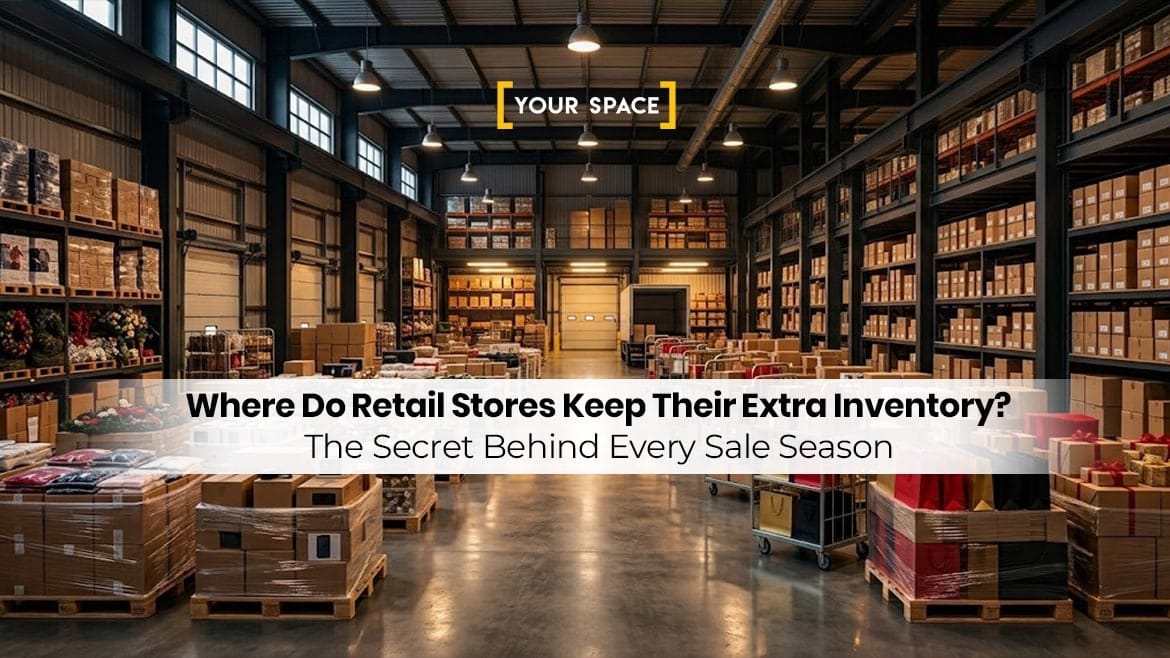
The Store Looks Full. But Most of the Products Aren’t There.
Walk into your favorite clothing store during a festive sale.
Every shelf is neatly arranged.
Every rack is full.
Every size seems available.
Customers move quickly.
Staff keep bringing out fresh stock.
It almost feels effortless.
But here’s something most shoppers never think about.
What you’re seeing is only a small part of the store’s inventory.
Behind every successful retail season is a carefully planned storage and inventory system that customers never see.
Whether it’s a fashion retailer, an electronics showroom, a supermarket, or a home décor brand, retail businesses rely on organized warehouse storage to keep products moving smoothly from storage shelves to store shelves.
The shopping experience may look simple.
The logistics behind it are anything but.
A Store Can’t Display Everything It Owns
Retail space is valuable.
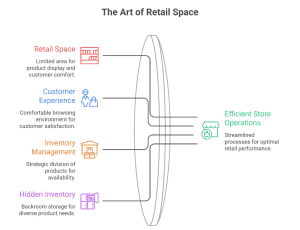
Every square foot inside a store is designed to help customers browse comfortably.
That means stores simply don’t have room to display every product they own.
Instead, inventory is divided into two categories.
The products customers see.
And the products waiting behind the scenes.
That hidden inventory often includes:
- Extra clothing sizes
- Seasonal collections
- Festival decorations
- Promotional merchandise
- Replacement stock
- Packaging materials
- Marketing displays
This balance helps retailers maintain clean stores while ensuring products remain available throughout the day.
Why Sale Seasons Begin Months Before Customers Arrive
When shoppers hear about a Diwali Sale, End of Season Sale, or New Year Sale, it often feels like the preparation started a few days earlier.
In reality, planning usually begins months in advance.
Retailers forecast demand.
Manufacturers increase production.
Products arrive at warehouses.
Inventory is sorted, counted, and organized.
Only a portion is sent to stores.
The remaining stock stays safely stored until it’s needed.
Without organized inventory management, stores would struggle to keep shelves stocked during high-demand periods.
The Warehouse Is the Real Heart of Retail
A successful store depends on something customers rarely visit.
The warehouse.
It’s where products are received, inspected, organized, and prepared for distribution.
A well-managed warehouse helps retailers:
- Respond quickly to customer demand
- Prevent stock shortages
- Reduce unnecessary overstocking
- Improve order accuracy
- Manage seasonal inventory efficiently
While customers remember attractive displays, retailers know that efficient warehouse storage is what keeps those displays full.
Every Product Has a Journey Before It Reaches the Shelf
A shirt hanging neatly on a rack has already gone through several stages.
It was manufactured.
Packed.
Transported.
Received.
Inspected.
Stored.
Counted.
Moved to a retail outlet.
Displayed.
Purchased.
Every step depends on careful planning.
Good stock management ensures products arrive at the right place, at the right time, without creating unnecessary clutter or delays.
Seasonal Products Spend More Time in Storage Than on Display
Think about festive decorations.
Winter clothing.
School supplies.
Holiday gift packs.
Monsoon accessories.
These products aren’t sold throughout the year.
Instead, they spend much of their life inside organized storage before reaching customers at the right moment.
This makes seasonal inventory one of the biggest challenges for retailers.
Too little stock means missed sales.
Too much stock means valuable space is occupied for months.
Finding the right balance is where smart storage becomes essential.
Running Out of Space Can Slow Down an Entire Business
As retail businesses grow, inventory grows with them.
More products.
More suppliers.
More customers.
More packaging.
But store space rarely grows at the same speed.
That’s why many retailers turn to commercial storage and business storage solutions that provide additional space without disrupting daily operations.
Instead of overcrowding stores or back offices, businesses can keep inventory organized and ready for replenishment.
Good Inventory Management Saves More Than Space
Effective inventory management isn’t just about storing products.
It also helps businesses:
Reduce duplicate purchases.
Improve stock visibility.
Respond faster during promotions.
Prevent misplaced inventory.
Prepare for peak shopping seasons.
Every minute spent searching for missing stock is time that could have been spent serving customers.
That’s why organized storage supports both operational efficiency and customer satisfaction.
The Best Retail Experience Starts Long Before You Walk Into the Store
Customers see:
Beautiful displays.
Full shelves.
Fast service.
Quick product availability.
Behind every one of those experiences is a team managing inventory with precision.
Warehouses.
Storage systems.
Inventory planning.
Replenishment schedules.
Without them, even the best retail stores would struggle to keep up with customer demand.
The next time you walk into a store during a busy sale, remember this:
The products on display are only part of the story.
The real work happens long before the doors open.
Frequently Asked Questions
Why do retail stores use warehouse storage?
Warehouse storage helps retailers manage excess inventory, prepare for seasonal demand, and keep stores organized while ensuring products remain available when customers need them.
What is retail inventory management?
Retail inventory management involves tracking, organizing, storing, and replenishing products to maintain the right stock levels across stores and warehouses.
Why don’t stores keep all products on display?
Displaying every product would overcrowd the sales floor. Retailers keep additional inventory in warehouses or back rooms so they can restock shelves efficiently.
How do retailers prepare for festive sales?
Preparation often begins months in advance through demand forecasting, supplier coordination, warehouse planning, and organized inventory storage.
What is seasonal inventory?
Seasonal inventory includes products sold during specific times of the year, such as festive decorations, winter clothing, school supplies, and holiday gift collections.
How can commercial storage benefit retailers?
Commercial storage provides additional space for inventory, helping businesses manage growing stock levels, reduce clutter, and improve operational efficiency.
Smart Retail Begins With Smart Storage
Behind every successful retail business is an organized inventory system. Whether you’re preparing for festive sales, managing seasonal stock, or expanding your product range, the right warehouse storage and commercial storage solution can help your business stay efficient and ready for growth.
📞 Talk to our warehousing specialists today: +91 8433925040
