
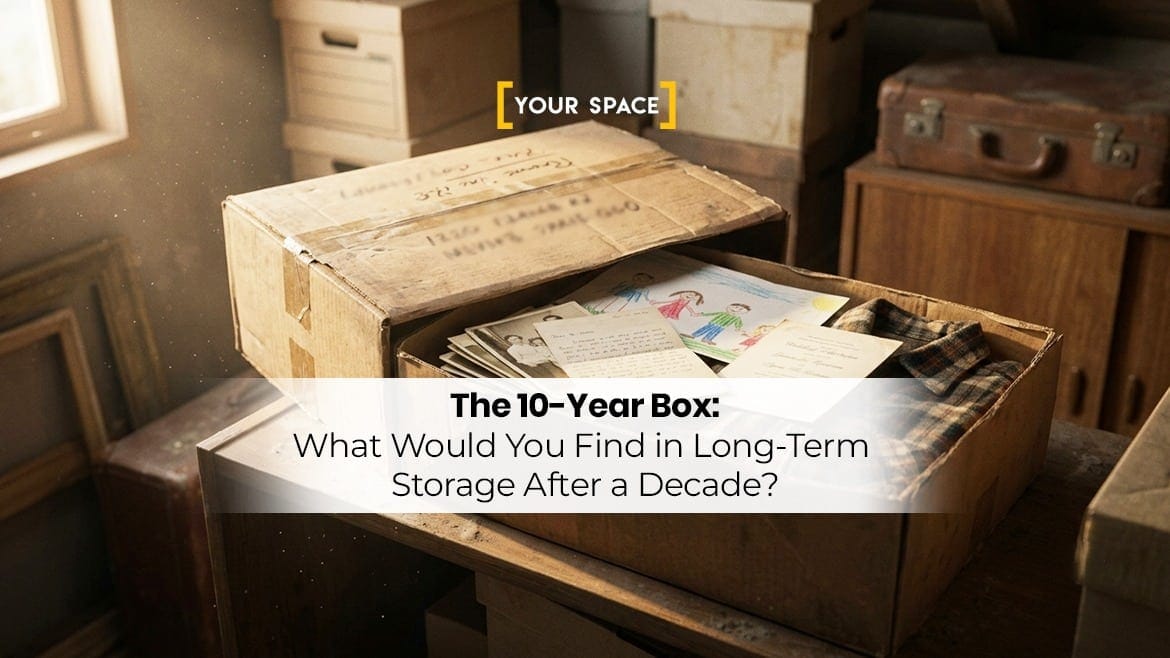
There’s probably a box somewhere in your house that you haven’t opened in years, sitting on top of a cupboard, pushed into a loft during your last move, or tucked behind furniture in a spare room. It might have travelled with you from one home to another, carried carefully but never once opened. The writing on the side has likely faded by now, and if you’re honest, you don’t quite remember what’s inside anymore.
Then, on some ordinary afternoon, you find it. You brush off the dust, pull it closer, and notice the tape is still wrapped around the same cardboard you sealed years ago , and suddenly you remember the day you packed it.
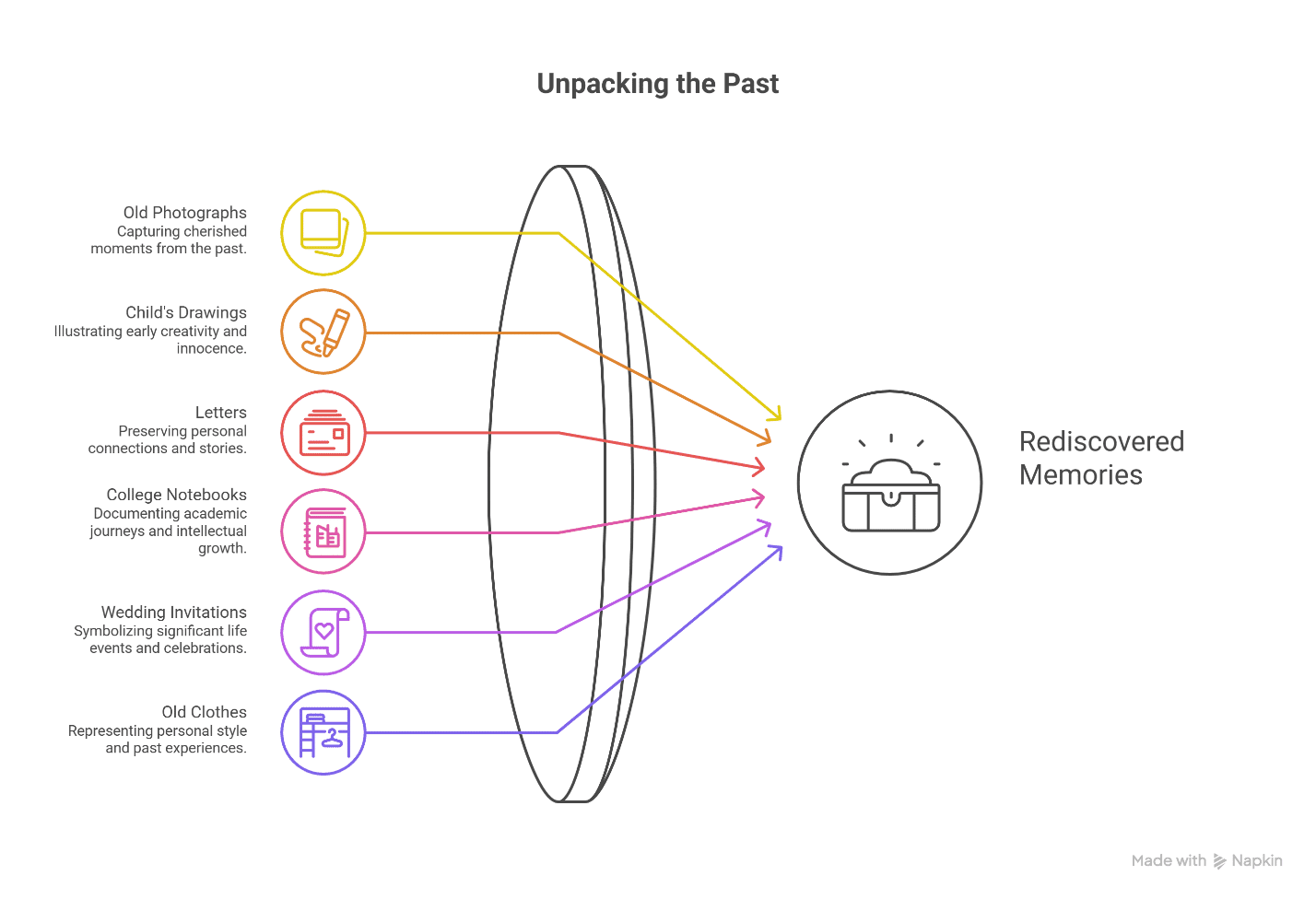
That’s the strange thing about long-term storage. When we pack something away, we think we’re storing objects. Years later, we often realise we were storing a piece of our own lives , old photographs, a child’s first drawings, letters from someone you no longer speak to, college notebooks, wedding invitations, clothes you used to live in, documents from a chapter of life that barely feels real anymore. Some boxes hold things. Others hold entire versions of who you used to be.
So what would actually happen if you opened a box you packed ten years ago? And more importantly, what condition would everything inside be in after all that time?
Some Boxes Hold Things. Others Hold Entire Versions of Your Life
The day you packed that box probably didn’t feel like a big deal. You were moving house, clearing a room, making space for something new, or simply deciding you didn’t need certain belongings right then. So you packed them away and told yourself you’d sort through everything later. Later turned into next month. Next month turned into next year. And before you knew it, a decade had quietly gone by.
This is usually how long-term household storage begins , not as a deliberate plan to preserve history, but as an ordinary part of life moving forward. New responsibilities show up, homes change, families grow, priorities shift, and the box just sits there, waiting.
What makes reopening it so powerful is that the person who packed it is rarely the same person opening it. Ten years changes almost everything: a child becomes an adult, a first job turns into an entire career, friends move away, and the family home you grew up in might not even exist anymore. The belongings inside never changed on their own; life simply changed around them. That’s why personal storage is often about far more than freeing up space , sometimes it’s about holding on to a connection you’re not quite ready to let go of.
The Day You Packed It
Think back to the last time you packed something away and told yourself, “I might need this someday.” That single sentence has probably filled more storage boxes than almost any other reason. The wedding outfit felt too meaningful to give away. The baby clothes were impossible to throw out. The photographs needed somewhere safer. The old documents weren’t useful day to day, but they still felt important enough to keep.
At the time, you remembered exactly why you were keeping every item. But memory fades with distance, and ten years later, you may recall the box itself far more clearly than what’s actually inside it. That’s usually where this story begins.
The Day You Forgot About It
Forgetting about something doesn’t mean it stopped mattering , it usually just means life got busy. A new home needed attention, work got demanding, the kids needed more space, new belongings arrived, and the old ones quietly slipped further into the background until the box became just another part of the scenery.
While you were busy living your life, time was still passing around everything sealed inside it. This is one of the more important truths about storing personal belongings: time doesn’t stop just because the lid is closed. Paper reacts to moisture, fabric absorbs odours, metal corrodes in the wrong conditions, wood shifts with humidity, and photographs can quietly deteriorate when the environment isn’t right. Your belongings may be out of sight, but they’re never really outside the effects of their surroundings.
What Might Be Inside Your 10-Year Box?
Opening an old box can feel a little like opening a time capsule , you stumble on something you haven’t thought about in years, and suddenly details you thought were long gone come rushing back.
Photographs That Haven’t Been Seen in Years
Old photographs are often the most emotional discovery of all. You might find family celebrations, school pictures, birthdays, holidays, or faces of people who aren’t part of your everyday life anymore. A single photograph takes up almost no space, yet it can carry an enormous amount of meaning, which is exactly why photo storage deserves more thought than it usually gets. Photographs are vulnerable to moisture, excessive heat and poor storage conditions, and simply leaving them in a cardboard box for years doesn’t give them the protection they actually need. If you’re holding on to old prints and albums for the family, the right storage conditions can make the difference between preserving those memories and slowly losing them.
Letters, Documents and Papers From Another Time
You might come across:
- Handwritten letters
- Old certificates
- Property papers
- School records
- College notes
- Important documents from an earlier stage of life
Paper is one of the easiest things to pack away, and unfortunately, one of the easiest things to damage when storage conditions aren’t right. Moisture alone can leave pages damp, stuck together or permanently stained, and long stretches in poor storage take a real toll on paper quality over time. That’s why proper document storage matters most for the papers you genuinely can’t replace.
Clothes That Bring Back a Different Version of You
Certain clothes in the box tend to take you straight back in time:
- A college T-shirt you practically lived in
- A wedding outfit you’ll never wear again but could never give away
- Your child’s first little dress
- A jacket that once went everywhere with you
You may never wear any of these again, but that doesn’t mean they’ve lost their value. Clothing that’s stored for years needs protection from moisture, dust, pests and poor storage conditions, and items that are clean and completely dry before they’re packed tend to hold up far better than anything stored damp or dirty. A decade is a long stretch for fabric to sit untouched.
The Objects That Make You Pause
Then there are the things you can’t quite explain:
- A small toy
- An old diary
- A ticket stub
- A birthday card
- The key to a house you no longer live in
None of these have any real practical use anymore, yet you find yourself staring at them a little longer than expected. That’s the emotional side of sentimental storage: not everything we keep is useful. Some things are kept simply because they hold on to a moment we’re not ready to fully let go of.
Ten Years Is a Long Time for the Wrong Storage Conditions
Here’s the uncomfortable truth: a closed box doesn’t automatically mean its contents are protected. Long-term storage isn’t just about putting something away; it’s about thinking through what might happen to it while it’s out of sight.
Humidity and Moisture Damage
Moisture is one of the biggest threats to stored belongings. Paper, photographs, fabric, wood and plenty of other materials can all be affected by excess humidity or damp conditions. A box can look perfectly fine from the outside while everything inside has quietly been exposed to the wrong environment for years , musty smells, staining and warping often only become obvious once the box is finally opened. This matters most when you’re storing valuable documents, family photographs or furniture over long periods.
Dust, Pests and Poor Storage Conditions
Dust settles into materials slowly and without warning, and pests can cause real damage when storage areas aren’t managed properly. Fabric and paper are particularly vulnerable when left untouched in the wrong space for too long. This doesn’t mean every stored item is doomed , it simply means the storage environment matters just as much as how carefully something was packed.
Heat and Changing Temperatures
Prolonged heat and big swings in temperature can affect sensitive materials, and different belongings tolerate these conditions very differently, which is exactly why storage requirements vary so much depending on what you’re keeping. Ten years is far too long to assume everything will hold up the same way.
Why a Closed Box Is Not Always Safe Storage
It’s easy to assume that if you packed something carefully, it’ll be fine , but packing and protecting aren’t quite the same thing. A box can shield your belongings from handling and everyday dust, yet long-term protection really comes down to a few other factors: the condition of the item before it went in, the materials used to pack it, and the environment it’s kept in. This becomes especially important for valuable belongings. A family photograph can’t always be replaced. An original document might be impossible to recover. A piece of furniture can carry real sentimental or financial worth. The longer something stays in storage, the more it pays to think beyond the box itself.
What Your Belongings Need for Long-Term Storage
It all starts with a bit of preparation.
Clean Before You Store
Nothing should go into storage wet or damp. Fabric needs to be clean and completely dry, furniture should be prepared properly for the length of time it’ll be stored, and papers and photographs deserve careful handling before they’re packed away. A small amount of prep now can save you from much bigger problems later.
Pack According to Material
Not every belonging needs the same treatment. Documents and photographs have different requirements than furniture, clothing needs different care than electronics, and fragile items need real protection from pressure and impact. The best approach to long-term storage starts with understanding what you’re actually storing and preparing it accordingly. For particularly sensitive or valuable items, professional or climate-controlled storage is worth considering, depending on your specific requirements and local conditions.
The Things People Regret Storing Carelessly
People rarely regret labelling a box too clearly, and they almost never regret preparing an item properly before storing it. What they do regret is discovering damage years later, and the hard part is that poor storage conditions can’t always be undone once a decade has passed. A photograph damaged by prolonged moisture exposure may never look the way it once did. A deteriorated document can be genuinely hard to replace. Furniture affected by the wrong conditions might need real repair or restoration. Careful storage isn’t about being overly cautious. It’s about recognising that some things are worth protecting before time gets the chance to work against them.
When Climate-Controlled Storage Matters
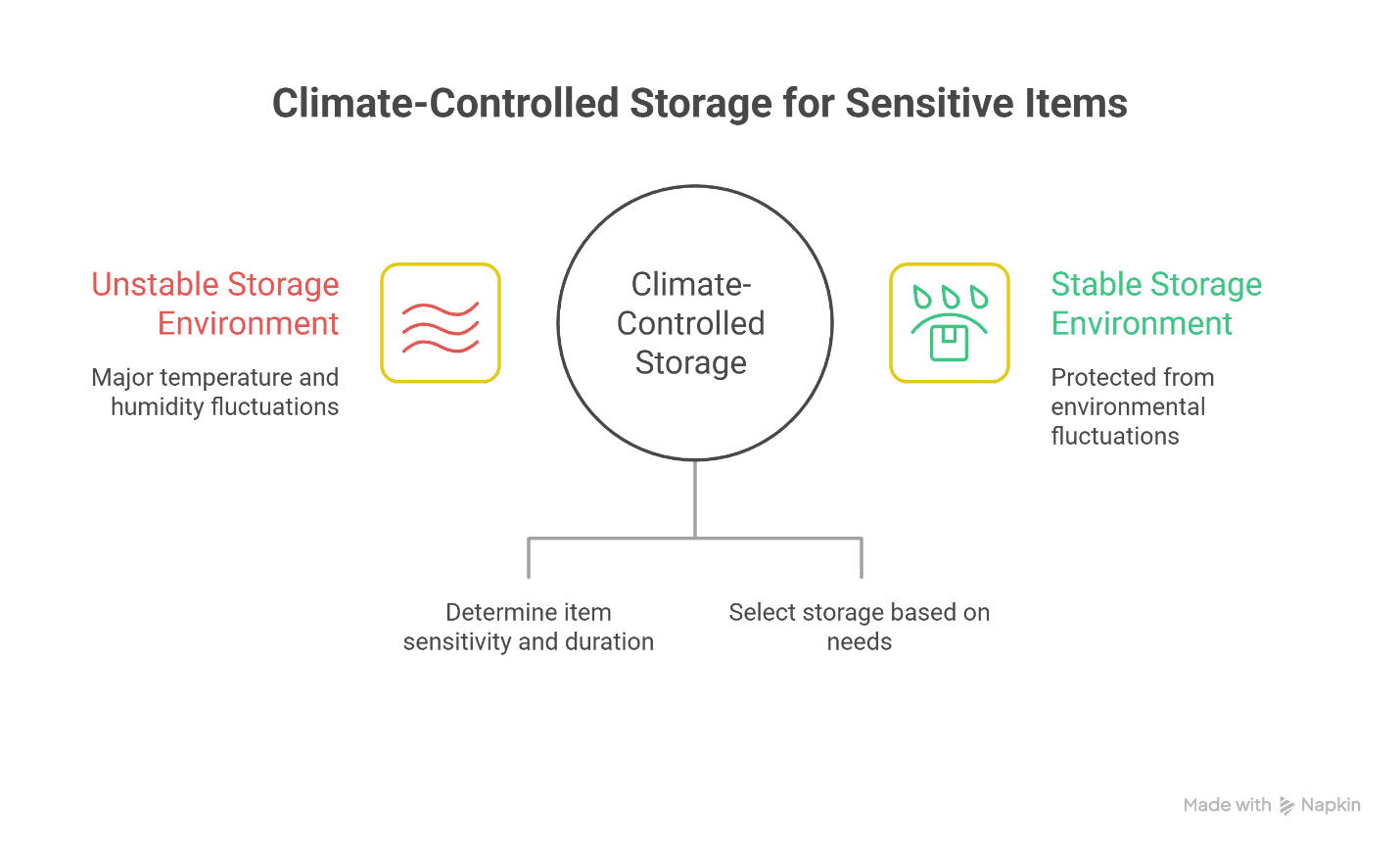
Some belongings are simply more sensitive to their environment than others. For these items, climate-controlled storage can offer a far more stable setup than a space exposed to major swings in temperature or humidity, which matters most for important documents, photographs, certain furniture, artwork or other valuable possessions. The right solution really depends on what you’re storing, how long it needs to stay there, and the environmental conditions involved. Long-term storage was never meant to be one-size-fits-all , a suitcase of winter clothes and a box of old family photographs simply don’t have the same needs.
The Emotional Side of Long-Term Storage
Why do we hold on to things for ten years? Sometimes it’s because we know we’ll need them again, but more often, it’s because we genuinely don’t know whether we will. There’s something deeply human about keeping a connection to the past: the first drawing, the wedding card, a tiny pair of shoes, a photograph that doesn’t exist anywhere else. These small things become reminders of the people, places and moments that shaped us, which is exactly why it feels so different to willingly let go of something than to lose it through preventable damage.
Eventually, you might decide you no longer need something, and that’s entirely your call to make. But having that choice taken away because a belonging was stored carelessly feels like an entirely different loss. Good personal storage really just gives you time: time to decide, time to keep, and time to revisit those memories whenever you’re actually ready.
How to Prepare a Box You May Not Open for Years
Imagine packing a box today that your future self might not open until 2036. What would you actually want that version of you to find? Probably not a mystery, a damp smell, or a box full of things you can no longer identify. It helps to start thinking ahead now.
Create an Inventory
You don’t need an elaborate system, just a simple list of what’s inside and where it’s going. It takes a few minutes now, and ten years from now, you’ll likely be grateful you bothered.
Label for the Future
Skip vague labels like “Old Stuff” , your future self deserves better information than that. A little more detail goes a long way, for example:
- Family Photos, 2010–2016
- College Documents
- Wedding Belongings
- Children’s Keepsakes
A clear label can turn a mystery box into an organised part of your personal history.
Review Important Items Periodically
Important belongings shouldn’t be forgotten indefinitely. Long-term storage still benefits from the occasional check-in , conditions change, priorities shift, and some items may need different care over time. The point of storing something was never to erase it from your life; it’s to keep it protected until you actually want it back.
What Your Future Self May Thank You For
Ten years from now, you might open a box and find something completely unexpected: a letter, a photograph, a child’s drawing, a small object you once carried everywhere. You might sit down and smile, laugh out loud, call someone up, or remember a day you’d completely forgotten about. That’s the real value of careful long-term storage , you’re not just protecting a physical object, you’re protecting the chance to experience that moment all over again.
Frequently Asked Questions
How long can belongings be kept in long-term storage?
The suitable storage period depends on the type of belongings, their condition before storage and the environment where they are kept. Valuable or sensitive items may require more careful preparation and storage conditions.
Can photographs be damaged in long-term storage?
Yes. Photographs can be affected by moisture, excessive heat and unsuitable environmental conditions. Careful photo storage can help reduce avoidable risks.
What is the best way to store important documents for many years?
Important documents should be kept clean, dry and organised, with protection appropriate to their value and material. For sensitive or irreplaceable documents, suitable environmental conditions are an important consideration.
Should furniture be stored for a long time?
Furniture can be stored long-term when it is properly prepared and kept in suitable conditions. The best approach can depend on the furniture material and the length of storage.
Is climate-controlled storage useful for valuable belongings?
For some sensitive belongings, a more stable storage environment may be beneficial. The suitability of climate-controlled storage depends on the specific items and their storage requirements.
How do I remember what I put into long-term storage?
Create a clear inventory, label boxes specifically and keep a simple record of important belongings. This makes it easier to locate and manage stored items later.
What should I not pack while it is damp?
As a general rule, belongings should not be packed away while wet or damp, as moisture can create problems during storage. Fabrics and other items should be properly dried before being packed.
Some Things Are Worth More Than the Space They Take Up
One day, you might open a box you packed years ago expecting to find old belongings, and instead find old versions of yourself: the student you once were, the newly married couple you once were, the young parents you once were, the family that lived in a different home, the people you loved at a particular point in time.
That’s exactly why some things deserve more than being pushed into the nearest loft and forgotten. Careful long-term storage can help protect the belongings you’re not ready to let go of, whether that’s important documents, family photographs, furniture, or personal items that still mean something to you.
At Your Space Doctor, we understand that storage isn’t always about moving things out of sight. Sometimes, it’s about making sure the things you care about have the right place to stay until you’re ready to bring them back into your life , because some boxes don’t just hold belongings. They hold stories that deserve to last.
📞 Talk to our storage team: +91 8433925040
Your things can stay. Your space can come back.
