

You have a perfectly good home in Indiranagar. A neighbourhood you love, a favourite café around the corner, and possibly a wardrobe that has officially stopped cooperating.
There is just one tiny problem.
Your belongings have started behaving like they pay rent.
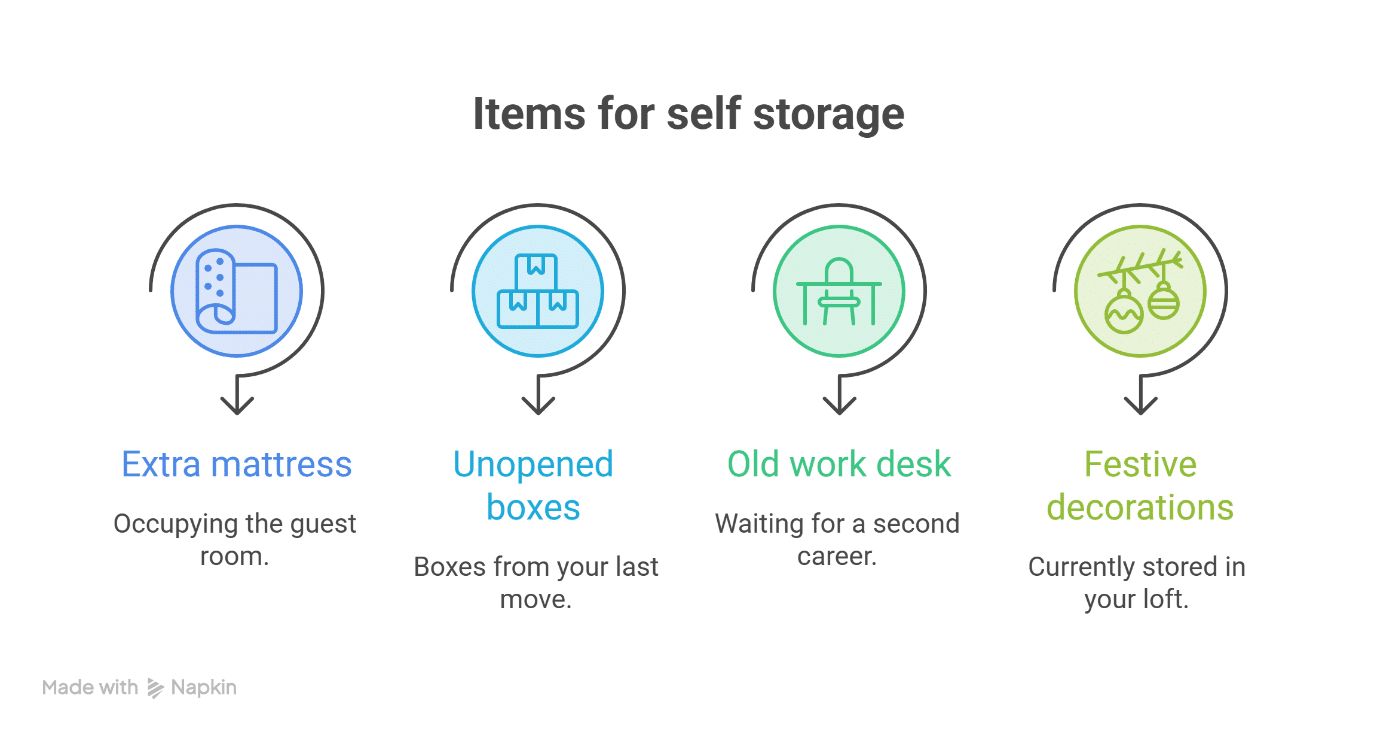
The extra mattress is occupying the guest room. The boxes from your last move are still unopened. Your old work desk is waiting for a second career. And the festive decorations? They’re probably having a more comfortable life in your loft than you are.
Welcome to the very familiar struggle of running out of space without actually wanting to get rid of your stuff.
If you’re looking for self storage in Indiranagar, Bangalore, the good news is that you don’t necessarily need a bigger home. Sometimes, you simply need somewhere else to keep the things you aren’t using every day.
1. Why Is Everyone Running Out of Space?
Urban living comes with a funny little contradiction: we want comfortable homes, but we also want to keep the things that make our homes comfortable.
The spare bed for visiting family. The exercise bike purchased during an extremely optimistic January. The suitcases used for those glorious two weeks of holiday. The furniture you might need in your next apartment.
None of these things is necessarily useless. They’re just not needed right now.
In a neighbourhood like Indiranagar, where people may be balancing apartment living, work, travel, family needs and changing lifestyles, every square foot can feel valuable.
And when your home starts looking more like a warehouse than a place to relax, it’s worth asking a simple question: Does everything you own really need to live under the same roof as you?
When storage starts making sense
You might need extra storage space if you’re moving between apartments and your dates don’t line up, renovating your home and need to clear rooms before work begins, sharing a home and struggling to fit everyone’s belongings, keeping furniture or appliances you aren’t currently using, decluttering without wanting to permanently part with valuable possessions, or holding seasonal items that only come out for a few weeks each year.
The point isn’t to get rid of everything. It’s to make your everyday space work better.
2. What Is Self Storage, Anyway?
Think of self storage as giving your belongings a temporary address of their own.
Instead of squeezing every box, chair and spare appliance into your apartment, you use a separate storage space for items you don’t need immediately but want to keep.
It’s a practical option for people who need more room at home without committing to a larger property.
Depending on the provider, storage arrangements can differ in terms of how items are packed, transported, stored, accessed and billed. So before choosing a service, understand exactly what’s included.
What can you put into storage?
Common household items that may be suitable for storage include:
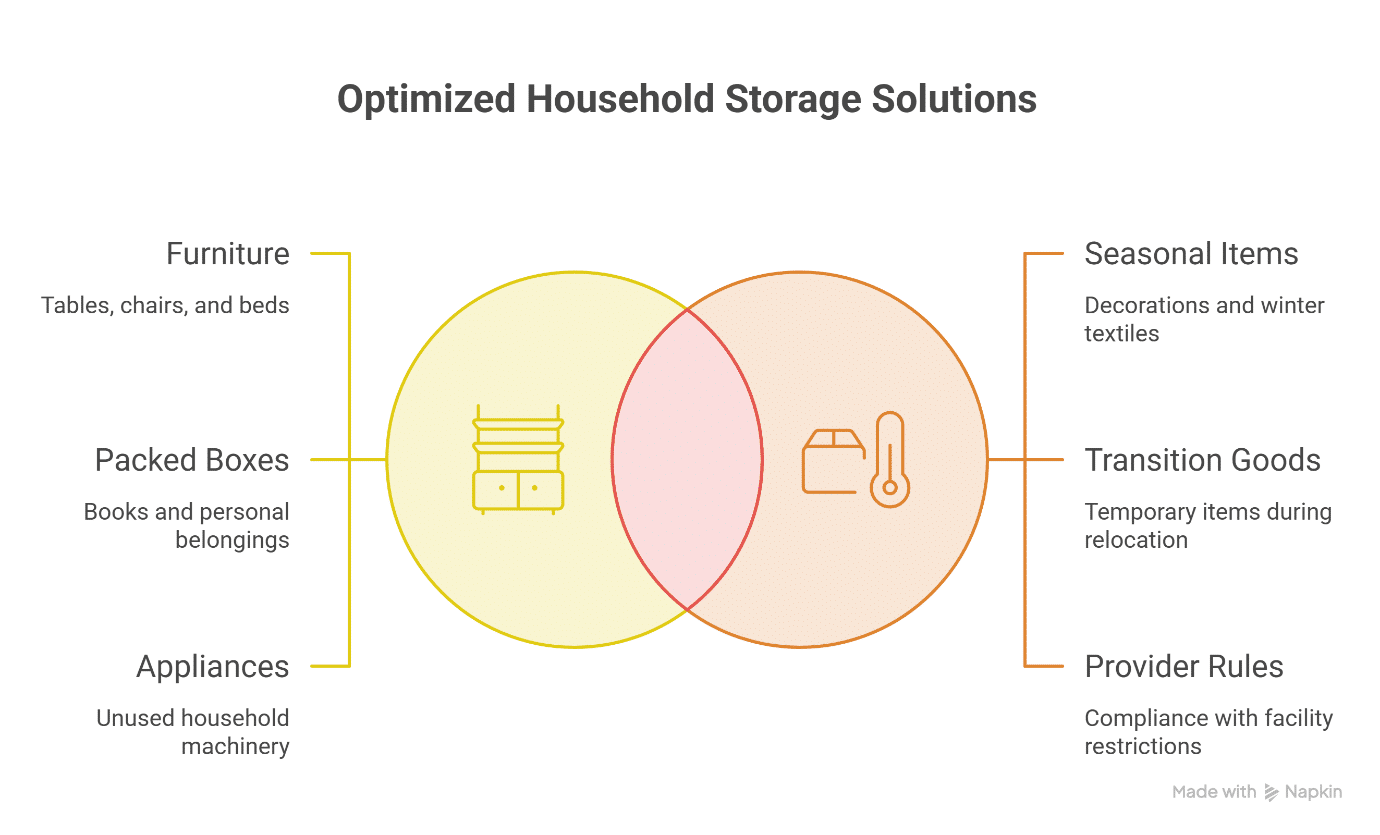
Furniture: chairs, tables, shelves, beds and other pieces that aren’t currently in use.
Packed boxes: books, kitchenware, personal belongings and non-essential household items.
Seasonal belongings: festive decorations, winter blankets and occasional-use items.
Home appliances: appliances you need to keep but don’t currently use.
Moving-related belongings: items that need a temporary home between moving dates.
The suitability of individual items depends on the storage provider’s rules and the conditions required to keep them in good shape. Always confirm restrictions before booking.
3. Moving House? Give Your Belongings a Plan B
Moving sounds exciting until you realise that your old home must be empty before your new home is ready.
Perhaps your rental agreement ends on Friday, but the new apartment won’t be available until next week. Maybe the painting and electrical work are taking longer than expected. Or perhaps you’ve found a new place, but it simply doesn’t have room for every piece of furniture you currently own.
Suddenly, you’re juggling moving dates, cartons, delivery schedules and the increasingly popular question: “Where are we going to keep all this?”
This is where temporary storage can help.
Instead of rushing to fit everything into the new home, you can consider storing the belongings you don’t immediately need while you settle in.
A smarter way to manage a move
Start by separating your belongings into three groups:
First: The everyday essentials. Keep your daily clothes, toiletries, important documents, chargers and basic kitchen items accessible.
Second: The things you’ll need soon. These might include extra bedding, occasional-use kitchenware or furniture for rooms you’re still setting up.
Third: The things that can wait. Think spare furniture, seasonal decorations, extra boxes and items that don’t need to be unpacked on day one.
That third category is often the easiest place to start when exploring storage options.
Your new home doesn’t need to be fully furnished on the first evening. Sometimes, a clear floor and a properly functioning kettle are enough to call it a successful move.
4. Renovating Your Home? Move the Furniture, Not the Stress
Renovation has a way of making even the simplest room feel complicated.
The sofa needs to move. The wardrobes need protection. The dining table is suddenly in the middle of the living room, and every available surface is covered with things that used to have perfectly sensible places.
Then there’s the dust.
Even when work is limited to one part of the home, belongings can become obstacles for contractors and residents alike.
Why temporary storage can help during renovation
Moving suitable furniture and non-essential belongings out of the work area can make it easier to organise the space and reduce the number of items exposed to renovation activity.
It can also help you avoid moving the same furniture from one room to another every time the work schedule changes.
Before storing anything, make sure items are packed appropriately and that the chosen facility is suitable for the materials being stored. Wooden furniture, upholstered pieces, electronics and delicate objects may need different preparation.
Renovation tip: Photograph furniture and its components before dismantling them. Label loose screws, fittings and hardware, and keep them together with the relevant item. Future-you will appreciate the favour.
5. Furniture, Boxes and Everything in Between: How Much Space Do You Need?
Here’s a classic storage mistake: estimating space based on the number of boxes alone.
Ten compact cartons are one thing. Ten cartons plus a sofa, two chairs, a mattress and a study table are an entirely different situation.
The volume of your belongings matters, as does their shape, whether furniture can be dismantled, and how items need to be arranged.
Make a quick inventory before booking
Walk through your home and list the items you want to store. Group them by category rather than simply counting cartons.
For example:
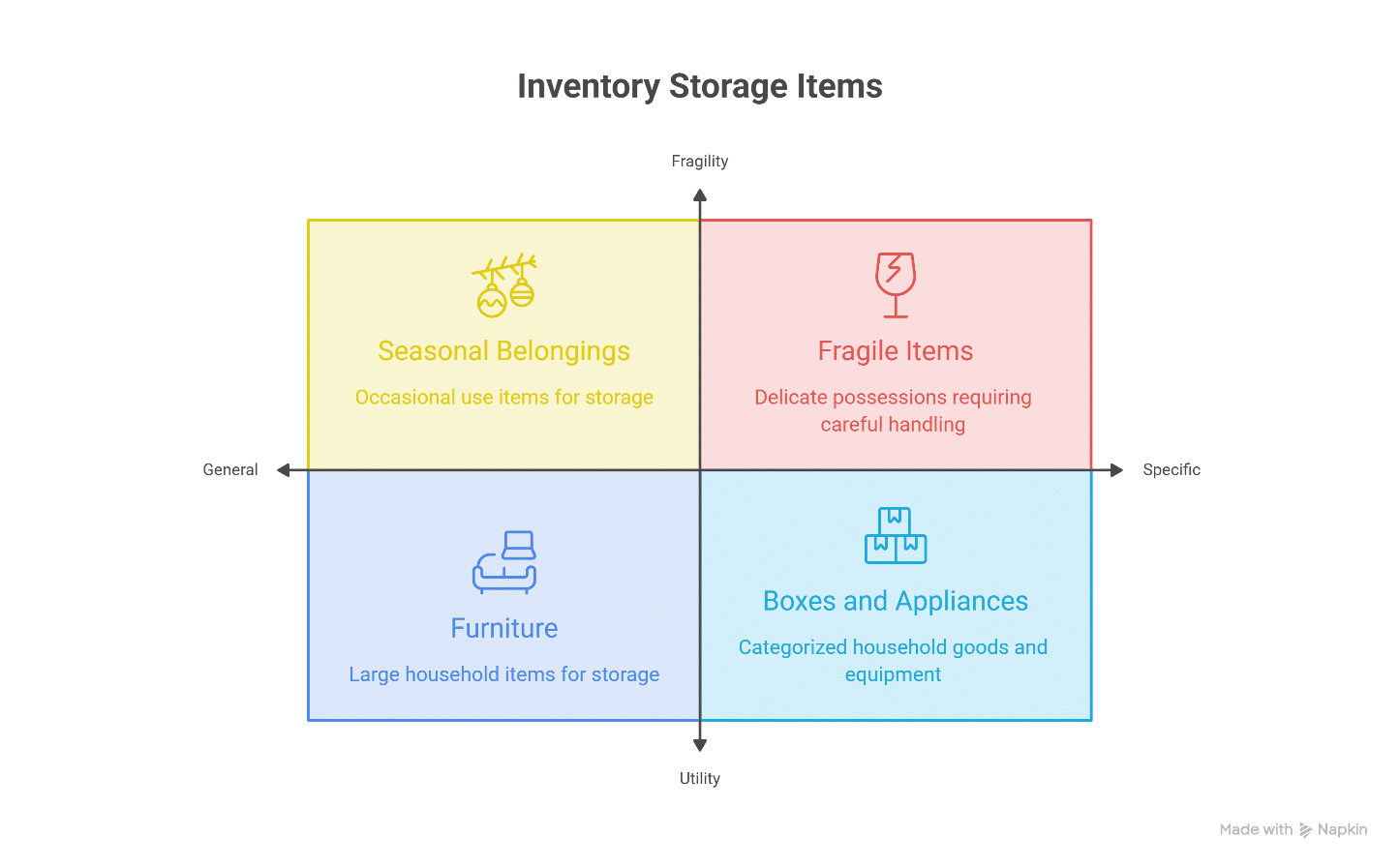
Furniture: Beds, chairs, tables, shelves and sofas.
Boxes: Books, kitchenware, clothes and personal items.
Appliances: Items you won’t need during the storage period.
Seasonal belongings: Decorations, blankets and occasional-use items.
Fragile items: Glassware, artwork and delicate possessions.
If possible, note the dimensions of larger items. Photos can also help when discussing your requirements with a storage provider.
Ask whether the estimate is based on item count, volume, allocated space or another billing method. Get clarity on packing, transport, access arrangements and any additional charges before making a decision.
The aim is simple: pay for a solution that fits your belongings and your needs, not a guess made while staring at a mountain of cartons.
6. How Much Does Self Storage in Indiranagar, Bangalore Cost?
Let’s talk about the question everyone eventually asks: how much will it cost?
The honest answer is that storage costs depend on the arrangement offered by the provider and the details of your belongings.
The amount of space required is one consideration, but it isn’t the only one.
What can affect storage pricing?
The volume of your belongings: A few cartons may require a different arrangement from a full household of furniture and boxes.
The storage duration: A short-term requirement may be priced differently from a longer commitment.
Packing and handling: Ask whether packing materials, packing assistance, loading and unloading are included or charged separately.
Transportation: If collection and delivery are offered, check how transport charges are calculated and whether your address is covered.
Access and retrieval: Find out how to request individual items, whether advance notice is needed, and whether retrieval fees apply.
Special storage requirements: Fragile, sensitive or restricted items may require particular handling or may not be accepted.
Questions to ask before you commit
Before choosing a self storage provider in Indiranagar, ask for a clear written quote covering the storage space or volume included, the minimum storage period (if any), collection and delivery charges (if applicable), packing materials and handling costs, access, retrieval and early-termination conditions, and security arrangements along with any applicable terms or exclusions.
Don’t choose a service based on a headline price alone. Compare what you’ll actually receive for the amount you pay.
Note: Confirm current pricing and service availability directly with the provider. No specific rate is quoted here because verified current pricing for Your Space Doctor’s Indiranagar storage service has not been provided.
7. Doorstep Pickup or Drop-Off? Know What You’re Signing Up For
Storage should make life easier, not turn into another weekend project involving a hired vehicle, multiple trips and one very tired back.
Some storage providers offer collection from your address. Others may require you to transport your belongings yourself. The options, charges and service areas vary.
If doorstep pickup matters to you, confirm it before booking rather than assuming it’s automatically included.
Check these details first
Ask the provider whether collection is available from your specific address in Indiranagar, whether furniture and large items are accepted, who is responsible for packing and moving the items, how stored belongings are identified and recorded, how much notice is needed to retrieve an item, and whether there are separate collection, delivery or retrieval charges.
These questions help you understand the full service, not just the storage space itself.
And one small but important reminder: keep your essential documents, medications, valuables and anything you’ll need urgently out of long-term storage unless you’ve made specific arrangements for access and safekeeping.
8. How to Choose the Right Storage Provider
A storage facility isn’t just a place where your boxes disappear until further notice. You need to understand how your belongings will be handled and how you’ll get them back.
Before you book, look beyond the photographs and promotional claims.
Check the essentials
Security: Ask about access controls, monitoring, visitor procedures and how the facility protects stored belongings.
Cleanliness and upkeep: Understand how the premises are maintained and what measures are used to manage pests and moisture.
Item handling: Check whether furniture and fragile items are accepted and how packing and handling are managed.
Storage conditions: Ask whether the facility is appropriate for sensitive belongings such as electronics, artwork, photographs or important paper records.
Terms and transparency: Get the pricing, access rules, exclusions, liability terms and retrieval process in writing.
Customer support: Make sure you know whom to contact if you need to update your storage requirements or arrange retrieval.
Not every storage provider offers the same facilities or services. Verify the details that matter most for your particular belongings.
9. Is Self Storage Better Than Moving to a Bigger Apartment?
Sometimes, the answer is yes. Sometimes, you genuinely need more living space.
If your household has grown, you work from home full-time, or your current apartment no longer meets your everyday needs, moving may be worth considering.
But if the problem is mostly occasional-use belongings, spare furniture or boxes you don’t need every day, a bigger apartment may not be the only answer.
Think about the items taking up the most space.
Are they things you use every week? Or are they things you want to keep for a future move, family visits, seasonal occasions or sentimental reasons?
If it’s the latter, storage could be one option worth comparing with the cost and effort of moving to a larger home.
The goal isn’t to squeeze your life into the smallest possible space. It’s to make a practical choice about how you want to use the space you have.
10. Frequently Asked Questions About Self Storage in Indiranagar
What is self storage?
Self storage is a way to keep belongings in a separate storage space when you don’t have enough room at home or don’t need those items every day. Services and access arrangements vary by provider.
Can I store furniture during a home renovation?
Furniture may be suitable for storage during renovation, depending on the provider’s acceptance rules and the storage conditions required. Check packing, handling and transportation arrangements before booking.
Is self storage useful when moving between homes?
Yes, it can be useful when your moving dates don’t line up or when you want to move into your new home gradually. Compare the costs and terms with other temporary storage arrangements.
How do I estimate how much storage space I need?
Make an inventory of furniture, cartons, appliances and other items. Note the dimensions of larger pieces and share the list with the provider to help determine a suitable storage arrangement.
How much does storage in Indiranagar cost?
Pricing varies depending on the volume of belongings, storage duration, transport, handling and other service terms. Request a current quote that clearly lists all applicable charges.
Does storage include doorstep pickup?
Not necessarily. Collection services depend on the provider, your address and the items being stored. Confirm availability and charges directly before booking.
Can I retrieve my belongings whenever I want?
Access and retrieval policies differ between providers. Ask about advance notice, retrieval charges, delivery options and any restrictions before signing up.
Is storage suitable for electronics, artwork or important documents?
It depends on the item’s storage requirements and the facility’s conditions. Ask about temperature, humidity, handling, packaging and security before storing sensitive belongings.
11. Your Home Deserves Its Space Back
You don’t need to throw away the chair your parents gave you, the decorations you bring out every Diwali, or the books you’re definitely going to read someday.
You just need a sensible plan for the things that don’t need to occupy your everyday space.
Whether you’re moving, renovating, decluttering or simply tired of navigating around furniture that has no business being in the hallway, exploring storage options can help you make more room for daily life.
Because your home should feel like home—not a waiting room for everything you own.
10. FINAL CTA — MAKE ROOM FOR WHAT MATTERS
Need a little more breathing room at home?
Your Space Doctor offers storage solutions for people and businesses looking to manage belongings and make better use of their space. If you’re exploring storage options in Bengaluru, Mumbai or Pune, get in touch to discuss your requirements and confirm the service available for your location.
Keep what matters. Store what you don’t need today. Make room for the life you’re ready to enjoy.
Call Your Space Doctor: +91 8433925040
