
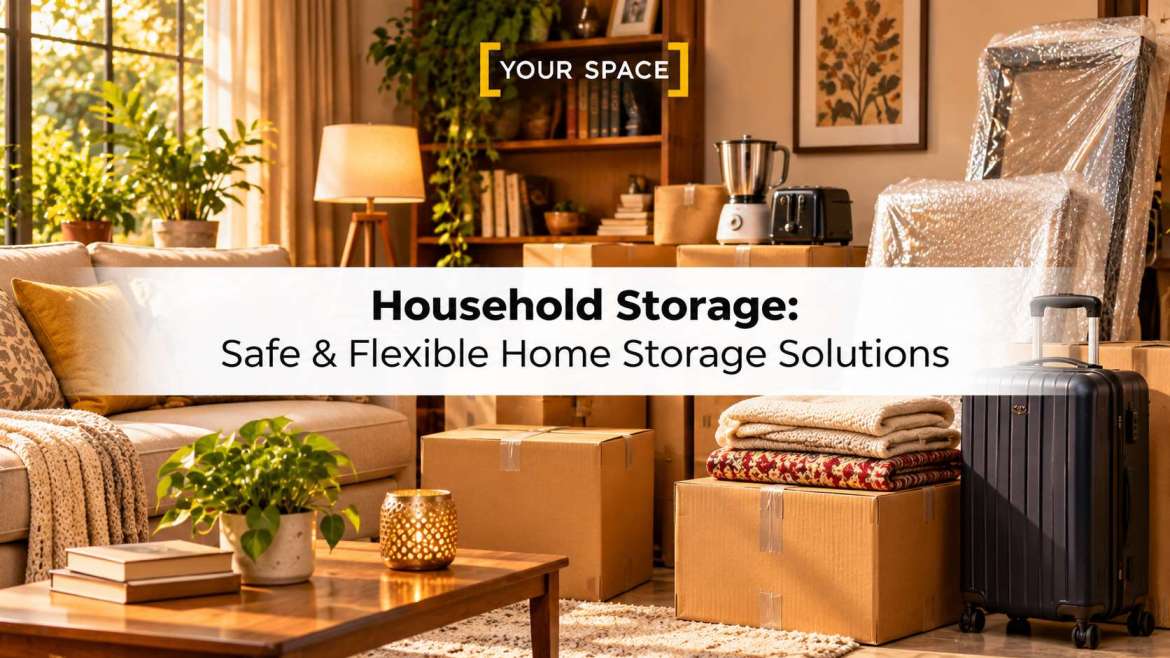
A home can start feeling crowded even when you have not brought anything new into it. A spare bed, an extra sofa, boxes of keepsakes, seasonal appliances and furniture waiting for your next move can gradually take over valuable living space. And when you are relocating or renovating, finding a safe place for these belongings becomes even more important.
That is where household storage can help. Instead of selling items you may need again or squeezing everything into already-full cupboards, you can move selected belongings into a professionally managed storage space and bring them back when the time is right.
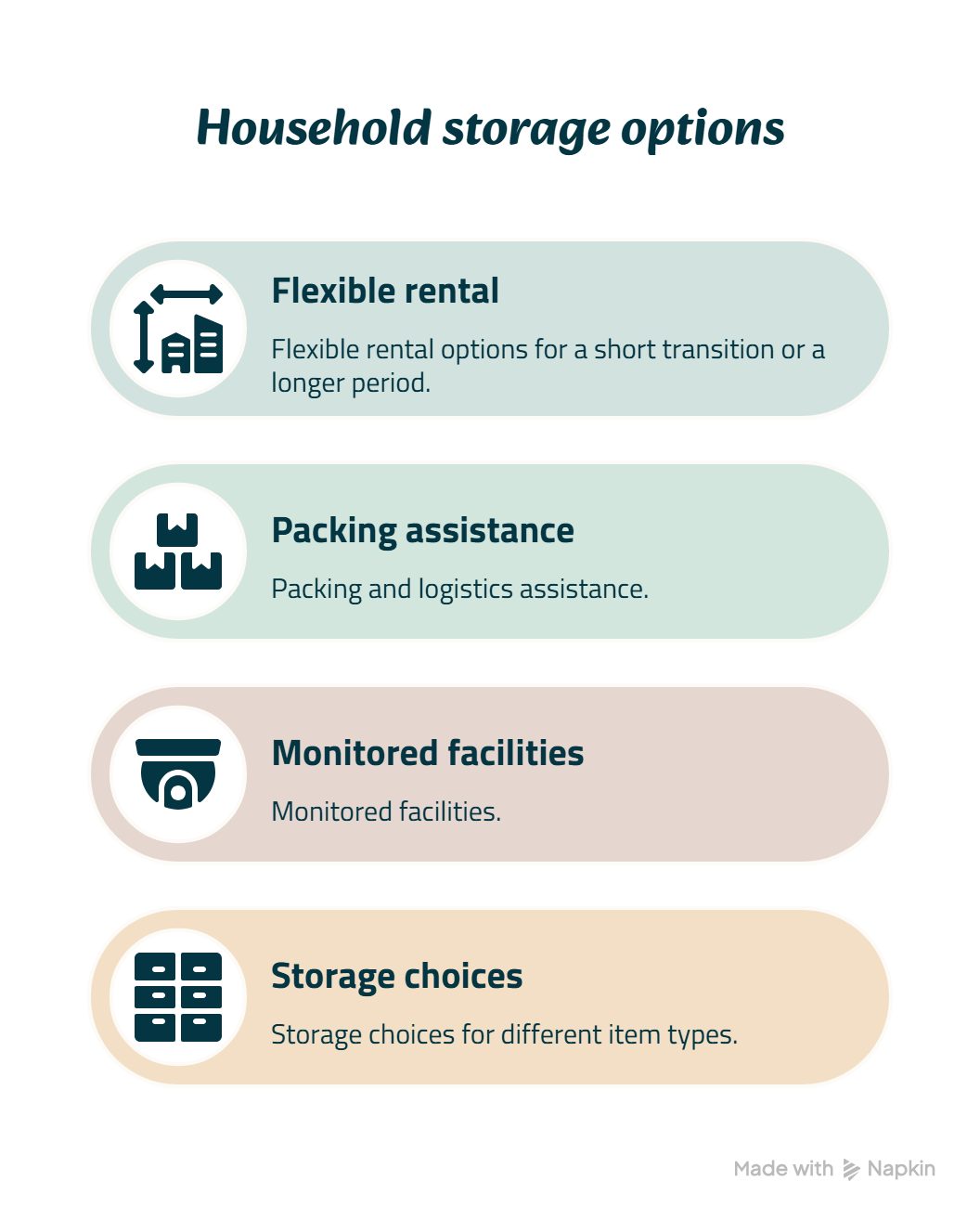
Your Space Doctor offers household storage solutions for people who need additional room, whether for a short transition or a longer period. With flexible rental options, packing and logistics assistance, monitored facilities and storage choices for different item types, the aim is to make storing household goods more convenient.
What Is Household Storage?
Household storage is a service that gives you additional space to keep personal and home belongings outside your residence. It can be useful when your current home does not have enough room, when you are between houses, or when furniture and appliances need to be moved out temporarily.
Depending on the quantity and type of belongings, you may need space for a few cartons, selected pieces of furniture or a larger portion of your household. The right arrangement should match what you plan to store, how long you need the space and whether you will need access to your items during that period.
Unlike leaving belongings with friends or stacking them in an unused corner, a dedicated storage solution gives your items a designated place and a more organised way to manage them.
When Do You Need Household Storage?
Storage is not only for people moving to a new home. It can be a practical option at several stages of everyday life.
During home renovation or repairs. Painting, flooring, plumbing and major repairs can make it difficult to keep furniture and appliances at home. Moving selected belongings into storage can create a clearer work area and reduce the risk of accidental dust, spills or knocks while the work is underway.
When moving between homes. Sometimes the date you leave one property does not match the date you can move into the next. Household storage can bridge that gap, giving you somewhere to keep furniture, cartons and appliances until your new home is ready.
When downsizing or reorganising. Moving to a smaller apartment does not always mean you want to part with everything. Store occasional-use furniture, extra kitchenware, keepsakes or belongings you intend to use later, rather than overcrowding your everyday living areas.
For seasonal and occasional-use belongings. Festive décor, travel equipment, extra bedding and other items may only be needed at certain times of the year. Storing them separately can make cupboards and wardrobes easier to manage.
When family or work circumstances change. A temporary work assignment, a family member moving in, or a change in living arrangements can create a short-term need for extra space. Flexible storage can help you manage the transition without making rushed decisions about your belongings.
What Can You Keep in Household Storage?
A household storage plan can accommodate many common non-perishable home belongings. The exact items accepted may depend on the facility, storage type and handling requirements, so confirm any special item before booking.
Common household items that can be considered for storage include furniture such as beds, sofas, dining tables, chairs, wardrobes and side tables. Selected home appliances, such as refrigerators, washing machines and other equipment, can also be stored once they are prepared according to storage instructions. Packed cartons of books, kitchenware, clothing, décor, toys and household essentials are another common choice, along with seasonal belongings like festive decorations, extra bedding, suitcases and sports or travel equipment. Personal possessions such as keepsakes, collectibles and other items you do not need every day can be stored as well.
Items should generally be clean, dry and properly prepared before storage. Perishable goods, hazardous materials, illegal items and anything that may attract pests or create a safety risk should not be packed away.
Ask the storage team about fragile, high-value or unusually sized belongings before arranging collection.
How to Prepare Your Belongings Before Storage
A little preparation can make packing, handling and retrieval easier. Before your pickup or drop-off, work through these practical steps.
Start by sorting before you pack. Separate items you use regularly from belongings you can comfortably store, and donate, recycle or dispose of things you no longer need. Next, clean and dry your items: wipe furniture and appliances, make sure fabrics are dry, and avoid storing anything damp or soiled.
Pack smaller belongings securely in sturdy cartons, group similar items together and avoid making boxes too heavy to lift safely. Protect delicate surfaces by wrapping glass, mirrors, electronics and polished furniture with suitable protective materials, and ask about professional packing for fragile or bulky pieces.
Label each carton with a short description of the contents and the room it belongs to, and keep a simple list or photograph of what you pack. Prepare appliances correctly by emptying, defrosting and drying them where required, and secure loose parts or cables according to the manufacturer’s guidance.
Finally, keep essential items accessible. Do not pack documents, medicines, daily-use essentials or anything you may need urgently into long-term storage.
How to Choose the Right Household Storage Space
The best storage option is not necessarily the largest one. Choosing space that fits your belongings and access needs can help you avoid paying for capacity you do not use.
Estimate the volume of your belongings. Make a list of the furniture, appliances and cartons you intend to store. Photos or a short video can help a storage adviser understand the quantity and dimensions. Include unusually large items and mention whether furniture needs to be dismantled.
Consider how long you will need storage. Think about your likely move-in or renovation date, but allow some flexibility if timelines may change. Ask how rental periods, extensions, early retrieval and vacating are handled before confirming a plan.
Check access and retrieval arrangements. If you may need certain belongings during the storage period, understand how access works, whether appointments are needed and what delivery or retrieval support is available.
Ask about security and item protection. Look for monitored premises, controlled access, regular pest management and clear processes for handling and recording items. Ask whether optional insurance is available, what it covers and whether any exclusions or declared-value requirements apply.
Match the storage environment to the items. Some belongings may need more than a standard storage arrangement. Items sensitive to temperature or humidity, such as certain electronics, artwork, documents or antiques, may be better suited to a climate-controlled option. Confirm suitability with the provider.
What Makes a Storage Facility Reliable?
Before choosing a household storage provider, look beyond the monthly price. A reliable service should be able to explain how your belongings are handled from preparation to storage and eventual retrieval.
Start with security arrangements: ask about CCTV surveillance, access controls and how entry to storage areas is managed. Check cleanliness and pest management, including how the facility is maintained and how frequently pest-control measures are carried out. Look for clear item records, and understand whether belongings are labelled, inventoried or photographed so that stored items can be identified later.
Pricing should be transparent, so request a breakdown of rental charges and any packing, pickup, transport, access or delivery costs that may apply. Terms should also be flexible: check whether you can extend, reduce or end your storage period and what notice is required. Lastly, ask what support you can expect when you need your items, including how retrieval requests are placed and what timelines or charges apply.
Your Space Doctor highlights 24/7 CCTV surveillance, pest-control measures, flexible rental options, packing and logistics assistance, and climate-controlled storage options among its service features.
Optional insurance is also available for customers who want to explore additional protection. Confirm the terms that apply to your specific storage plan before booking.
Household Storage Costs: What Affects the Price?
The cost of household storage depends on the space required, the type and quantity of belongings, the storage duration and any additional services you choose. A few cartons will usually require a different arrangement from a full apartment’s furniture and appliances.
Other factors can include professional packing, pickup and transportation, special handling requirements, climate-controlled storage requirements, retrieval or delivery requests and the duration of storage.
Your Space Doctor advertises storage starting at ₹49* and promotes flexible rental plans. Treat this as an advertised starting offer, not a guaranteed price for every household. The final quote should confirm the applicable unit or space, duration, services, taxes if applicable and offer conditions.
A useful way to compare providers is to request an itemised quote and check what is included. The lowest headline price may not represent the full cost if essential services are charged separately.
Household Storage in Mumbai, Pune and Bengaluru
Finding a storage provider with service coverage in your city can make planning easier, especially when you need help with packing, transportation or retrieval.
Your Space Doctor lists household storage solutions across Mumbai, Pune and Bengaluru, with additional location pages for areas including Navi Mumbai and Bhiwandi.
If you are arranging storage during a move, confirm service availability for both your pickup and delivery locations. Share your pin code, a list of belongings and your expected storage duration so the team can guide you towards a suitable option.
Whether you need to store a few household cartons or larger furniture items, choose a plan based on your actual requirements and the support you expect throughout the storage period.
How the Household Storage Process Works
The process should be straightforward when your requirements are clear. With Your Space Doctor, customers can enquire about their storage needs and discuss the appropriate space and support with the team. Here is how you can get started.
First, share your requirements. Tell the team what you want to store, your location and the expected duration; photos or a list can help explain the quantity. Then, understand the recommended plan by discussing the storage type, space, rental terms, security arrangements and any special handling requirements.
Next, arrange packing and pickup. If you need assistance, ask about packing, labelling, loading and transportation support. Your items are then moved to the designated storage facility, so confirm the inventory and handling process for your selected service. When you need your belongings, contact the team and follow the agreed access, retrieval or delivery process.
Before confirming, keep a copy of your quote, service details, inventory information and contact details for customer support.
Frequently Asked Questions About Household Storage
- How Long Can I Keep My Household Items in Storage?
Storage duration depends on the plan you choose. Your Space Doctor offers flexible options for short-term and long-term requirements. Confirm the minimum rental period, extension process and notice requirements with the team.
- Can I Store Furniture While My Home Is Being Renovated?
Yes. Household storage can help keep furniture and other belongings out of the work area while renovation or repairs are underway. Ask about packing, pickup and the suitable storage environment for your items.
- Is Household Storage Suitable When Moving to a New Home?
Yes. It can bridge the gap when your move-out and move-in dates do not align, or when you want to move belongings in stages. Confirm pickup and delivery availability for your locations.
- Are My Belongings Protected While in Storage?
Your Space Doctor lists 24/7 CCTV surveillance, monitored facilities and pest-control measures among its storage features. Ask the team about the security arrangements for your selected facility and whether optional insurance is suitable for your belongings.
- Can I Store Electronics, Artwork or Delicate Items?
Some sensitive belongings may require special packing or a climate-controlled environment. Share the item details before booking so the team can advise whether the available storage option is appropriate.
- Does Your Space Doctor Provide Packing and Pickup Assistance?
Your Space Doctor offers packing and moving support, including packing, handling and transportation assistance. Confirm the services available at your location and whether they are included in your quote.
- How Much Does Household Storage Cost?
Pricing depends on the space required, storage duration and additional services. Your Space Doctor advertises plans starting at ₹49*, subject to applicable offer conditions and the final quote for your requirements.
- Can I Retrieve My Belongings When I Need Them?
Access and retrieval arrangements depend on the storage plan and facility process. Confirm how to request access or delivery, any notice period and any applicable charges before storing your belongings.
Make More Room at Home with Your Space Doctor
You do not have to let extra furniture, packed cartons or occasional-use belongings take over your home.
With a suitable household storage plan, you can create more room for everyday living while keeping the things you may need in the future.
Whether you are renovating, relocating, downsizing or simply looking to declutter, Your Space Doctor can help you explore secure and flexible household storage options in Mumbai, Pune and Bengaluru.
Share what you need to store and get guidance on a plan that fits your space and duration requirements.
